Most bees are solitary. Most don't sting. Most don't make honey.
The popular image of a bee — living in a hive, making honey, stinging when provoked — describes a single species among twenty thousand. The honeybee (Apis mellifera) is extraordinary and economically vital, but it is not representative. The majority of the world's bees are solitary, building individual nests in soil, wood, or hollow stems. Many are stingless. Almost none produce honey in meaningful quantities.
Bees are classified into seven recognized families. Understanding these families reveals the astonishing diversity of a group that most people have barely begun to perceive.
| Family | Common Name | Est. Species | Notable Traits |
|---|---|---|---|
| Apidae | Honey, bumble, carpenter, digger bees | ~5,700 | Largest family; includes the honeybee and all social bee species |
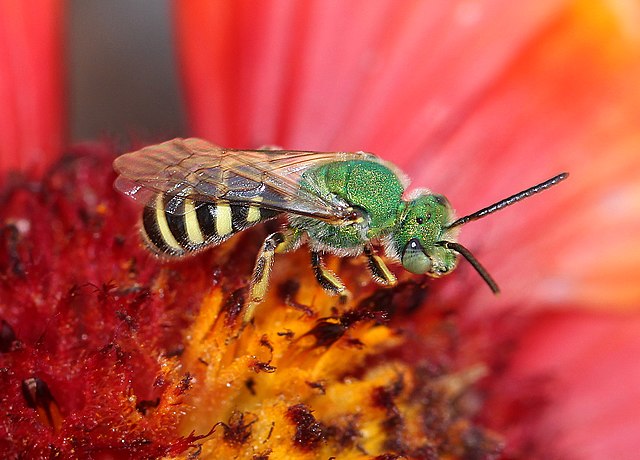
| Halictidae | Sweat bees | ~4,400 | Often metallic green; attracted to human perspiration for salts |
| Colletidae | Plasterer bees, polyester bees | ~2,500 | Most primitive family; line nests with a cellophane-like secretion |
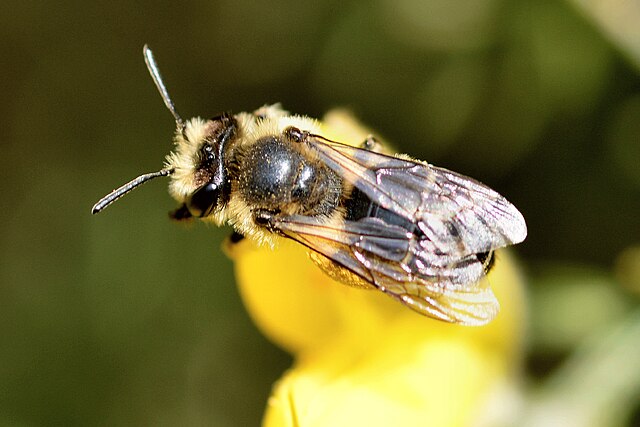
| Andrenidae | Mining bees | ~3,000 | Ground-nesting; often among the first bees active in spring |
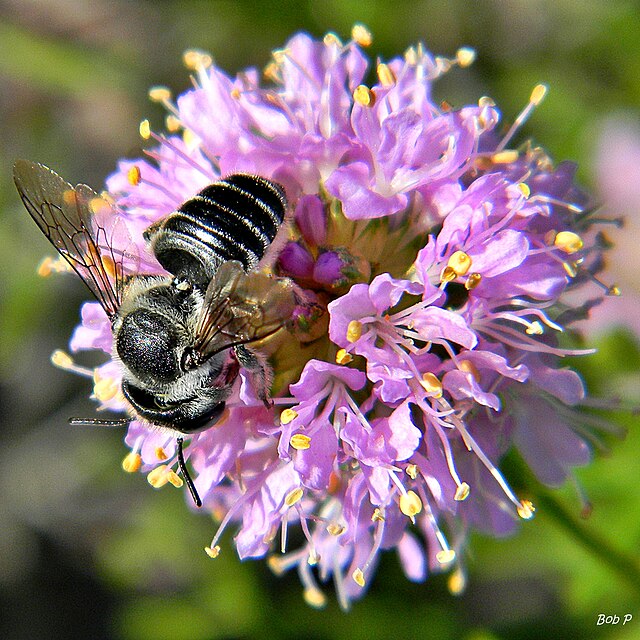
| Megachilidae | Mason, leafcutter, resin bees | ~4,100 | Carry pollen on abdomen rather than legs; include top crop pollinators |
| Melittidae | Oil-collecting bees | ~200 | Highly specialized; collect floral oils instead of or in addition to nectar |
| Stenotritidae | Stenotritid bees | ~21 | Restricted to Australia; fast-flying, robust solitary ground nesters |
The Bees You Need to Know
These are the species with the greatest ecological significance, widest geographic range, or most important relationship with human agriculture.
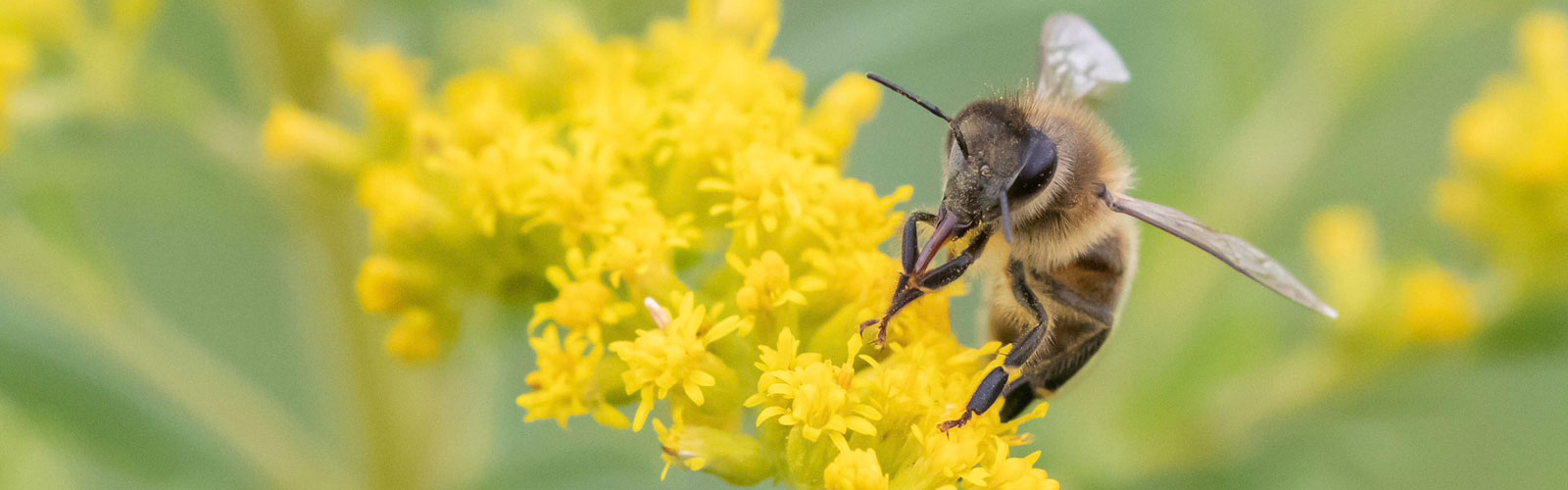
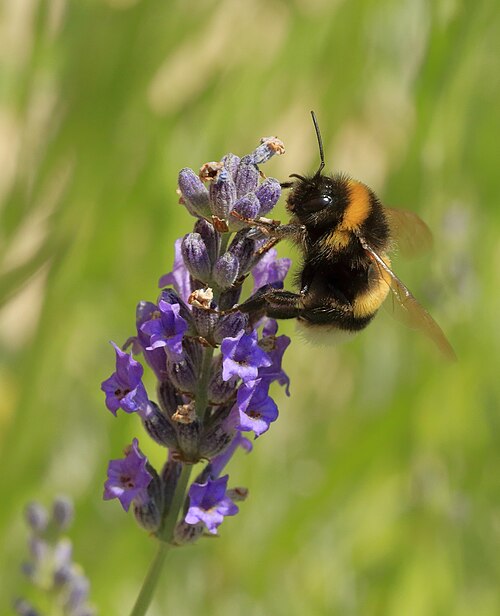
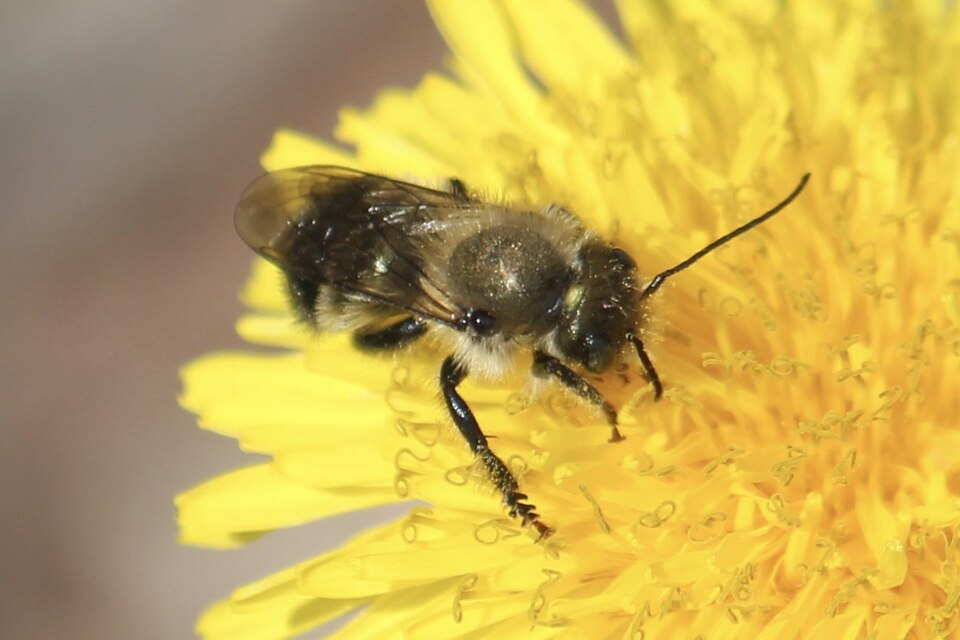
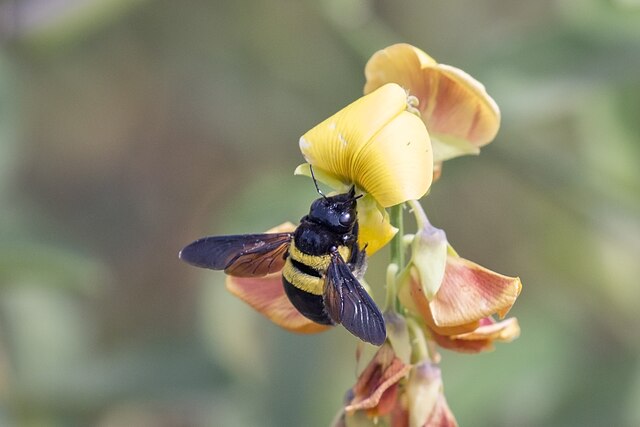
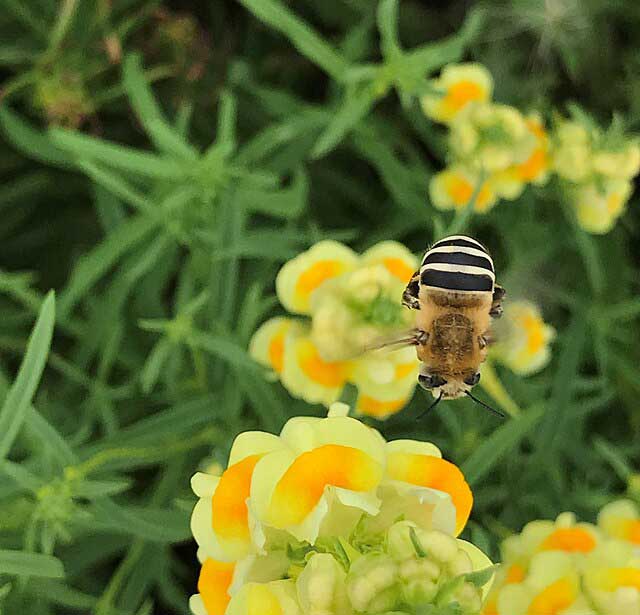
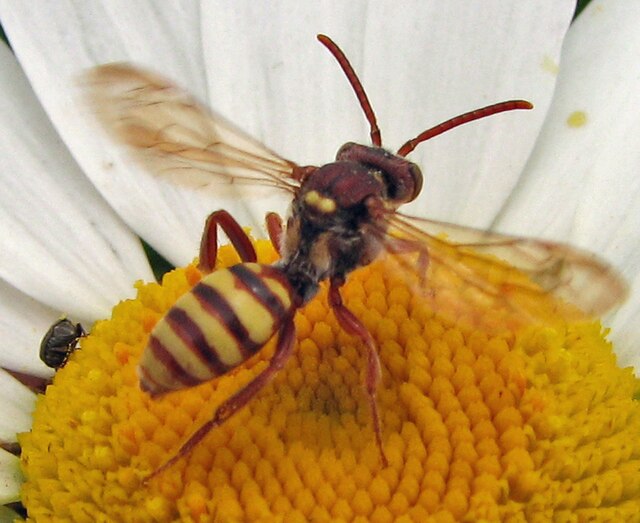
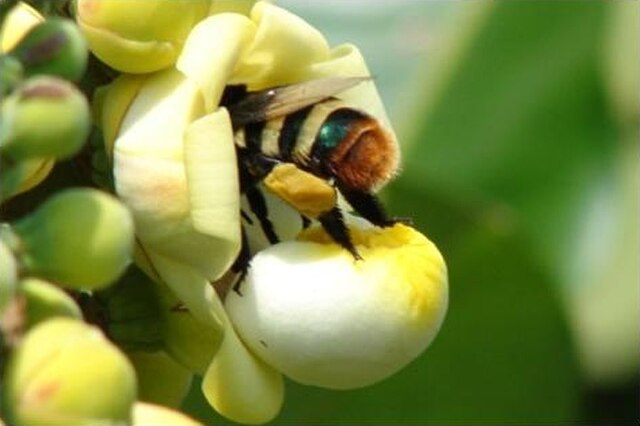
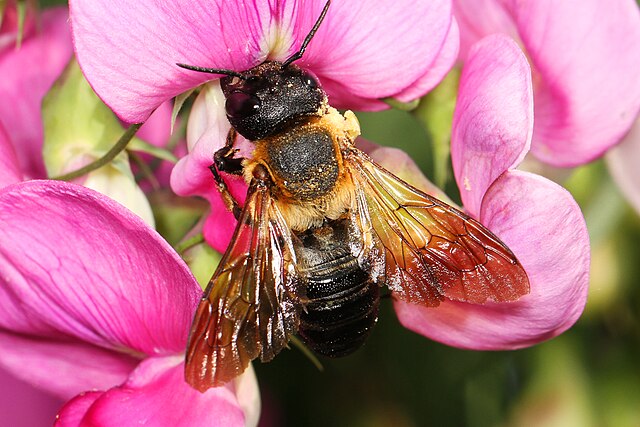
Bee Records
| Record | Species | Detail |
|---|---|---|
| Largest bee | Wallace's Giant Bee (Megachile pluto) | Body length 38mm; wingspan up to 63mm |
| Smallest bee | Perdita minima | Body length approximately 2mm; found in the American southwest |
| Largest colony | Western Honeybee (Apis mellifera) | Up to 80,000 individuals in peak summer |
| Longest lived queen | Western Honeybee (Apis mellifera) | Queens can live 3–5 years; workers 6 weeks in summer |
| Fastest flier | Honey bee (Apis mellifera) | Sustained flight speed approximately 15–20 mph |
| Most ancient fossil | Melittosphex burmensis | Preserved in amber; approximately 100 million years old |
| Most species-rich genus | Megachile (leafcutter bees) | Approximately 1,500 described species |
| Most northerly range | Arctic bumblebee (Bombus polaris) | Found above the Arctic Circle; active at temperatures near 0°C |
| Deepest nesting | Mining bees (Andrena spp.) | Some species excavate tunnels 60cm or more below the soil surface |
| Most specialized pollinator | Various solitary species | Some bee species visit a single plant genus; relationship evolved over millions of years |
Where Bees Live
Bees are found on every continent except Antarctica. Their distribution is not uniform — bee diversity is highest in warm, dry regions with high plant diversity, particularly around the Mediterranean basin, southern Africa, the American southwest, and parts of central Asia. These "biodiversity hotspots" for bees correspond closely with areas of high flowering plant diversity, reflecting the co-evolutionary relationship between bees and flowers.
Home to approximately 4,000 native bee species. The American southwest — particularly the Sonoran Desert — has the highest bee diversity in North America and among the highest in the world. California alone hosts over 1,600 native species.
Approximately 2,000 species, with highest diversity around the Mediterranean. Northern Europe has fewer species but faces the steepest documented declines, with some studies suggesting losses of 50% or more in some countries over the past 30 years.
Home to the genus Apis, of which the Western honeybee is one of approximately 8 species. Asia harbors enormous bee diversity, particularly in South and Southeast Asia, but comprehensive surveys are incomplete for many regions.
Africa hosts extraordinary bee diversity and is the evolutionary origin of the honeybee. Australia, with over 2,000 native bee species — all solitary — has no native social bees other than a small number of stingless species in the north.